Dark circles under eyes: causes, care and cover tips
Dark circles under eyes come from genes, thin skin, sleep and sun. What really helps, what to expect, and how to cover them with color correcting.
6 min read


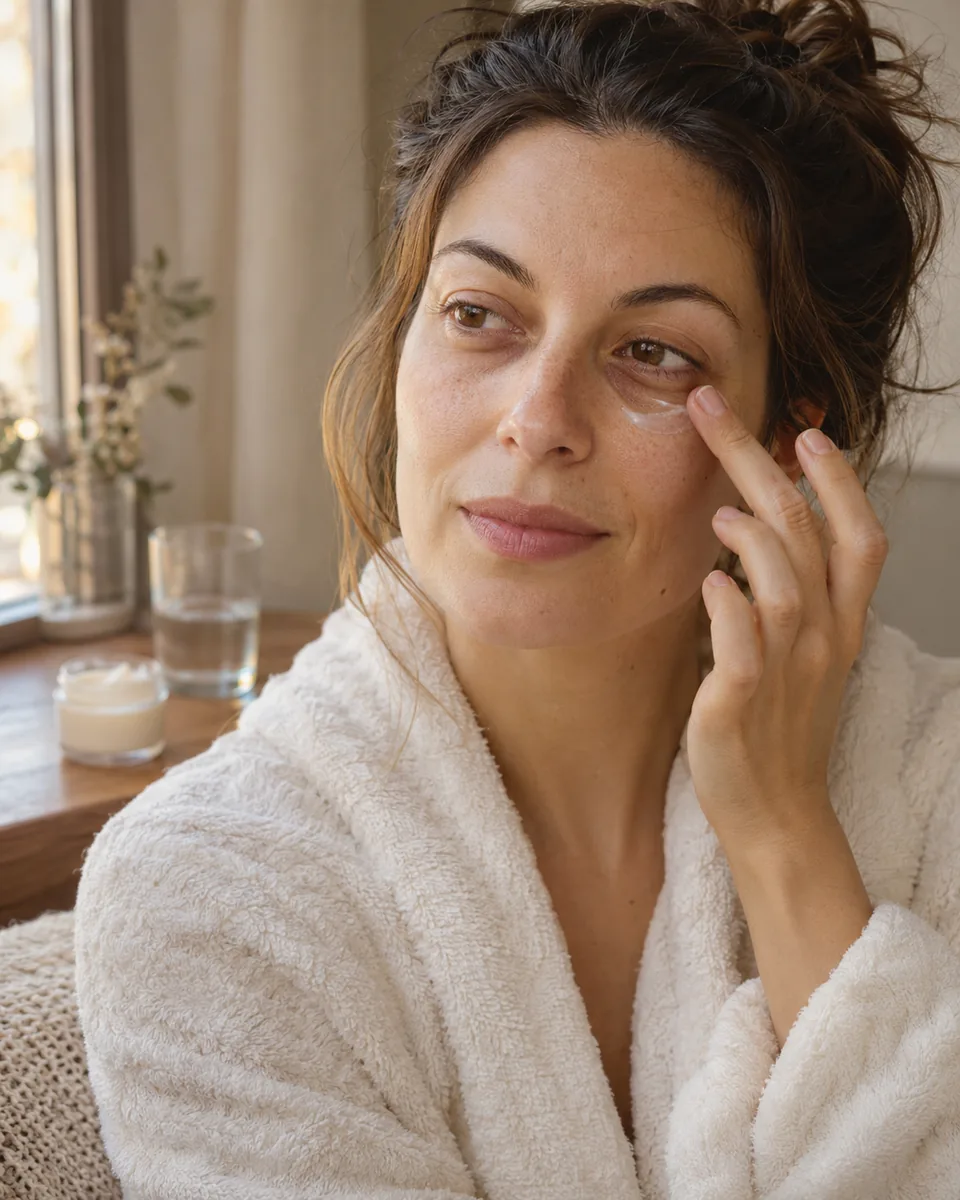
Dark circles under eyes are one of the most common beauty complaints, and one of the most misunderstood. A lot of people blame a bad night, buy an eye cream and wait for a miracle. Sometimes sleep really is the issue. Often it is your genes, the shape of your face or the sun. Knowing which one you are dealing with saves you time and money.
This guide is general cosmetic advice, not medical advice.
Why you get dark circles under eyes
The skin under your eyes is some of the thinnest on your body, so anything underneath it shows through. Most dark circles come from one of these, or a mix:
- Genetics: if your parents have them, you likely will too. Some people simply have more pigment or more visible blood vessels in that area.
- Thin skin: blue or purple looking circles usually mean vessels showing through. They often look worse when you are tired or pale.
- Pigment: brown looking circles are more common in medium and deeper skin tones, and sun makes them darker.
- Shadows: a hollow under the eye, or puffiness above it, casts a shadow that reads as a dark circle in overhead light.
- Age: skin gets thinner and loses volume over the years, so circles and hollows can look deeper.
- Rubbing: allergies, itchy eyes or rubbing off makeup roughly can darken the area over time.
A quick check: gently stretch the skin under your eye in front of a mirror. If the color fades a little, it is more likely thin skin or shadow. If the brown stays, pigment is a bigger part of it.
Follow your under eye area
The Dark circles reading and Progress in VIPAD show how it changes over months.
How to get rid of dark circles: what is realistic
Here is the honest part. If your circles are genetic or come from the shape of your face, no product will erase them for good. What you can do is make them softer, keep them from getting darker and cover them well on the days you care.
Circles that come from lifestyle are different. Poor sleep, a lot of salt or alcohol, and allergies can all make them worse, and fixing those can make a clear difference within weeks.
How to reduce dark circles day to day
- Sleep: aim for seven to nine hours. Tired skin looks paler, which makes vessels underneath show more.
- Raise your head a little at night if you wake up puffy, so fluid does not pool under your eyes.
- Cool it down: a cold compress or a chilled spoon for a few minutes in the morning helps with puffiness for a while.
- Wear sunscreen around the eyes and sunglasses outside. Sun makes pigment darker over time.
- Stop rubbing. If allergies make your eyes itch, get them looked at instead of rubbing through it.
- Take makeup off gently with a soft pad and an oil or balm, not by scrubbing.
- Go easy on salt and alcohol in the evening if you notice puffier eyes the next day.
Eye creams can help a little, as long as your expectations are fair. Caffeine can make puffiness look better for a few hours. Vitamin C and niacinamide may soften a brownish tone over a couple of months. A gentle retinol made for the eye area can make thin skin look a bit firmer over time. Start slowly and patch test, because this skin reacts more easily than the rest of your face.
How to cover dark circles with concealer
For instant results, makeup does more than any cream. The trick is color correcting first, then concealing.
- Prep: a light layer of eye cream so the concealer does not cling to dry patches.
- Correct: blue or purple circles on light skin look best with a peach corrector. On medium to deep skin, go for orange or red.
- Use the corrector only on the darkest part, usually the inner corner and the line along the hollow, not the whole area.
- Conceal: on top, use a concealer that matches your skin or is at most half a shade lighter. Too light looks gray.
- Tap, do not swipe. A fingertip or damp sponge presses it in without moving the corrector.
- Set lightly with a tiny bit of powder only where it creases.
Less is more here. A thick layer settles into fine lines and draws more attention to the area than the circle did.
When to see a doctor
Most dark circles are harmless. Still, see a doctor if they appear suddenly, show up on one side only, or come with swelling, pain, itching or a rash that does not settle. The same goes if you also feel unusually tired or unwell. And if your circles come mostly from a hollow, a doctor is also the person to talk to about clinic options, since no cream can fill one.
How VIPAD follows your under eye area
Dark circles under eyes change slowly, and they look different in every light, so it is hard to tell if anything you do is helping. Skin Analysis in VIPAD reads eight things from one selfie, and one of them is Dark circles. It is scored from 0 to 100 and shown as one of four steps: Room to improve, Moderate, Good or Very good.
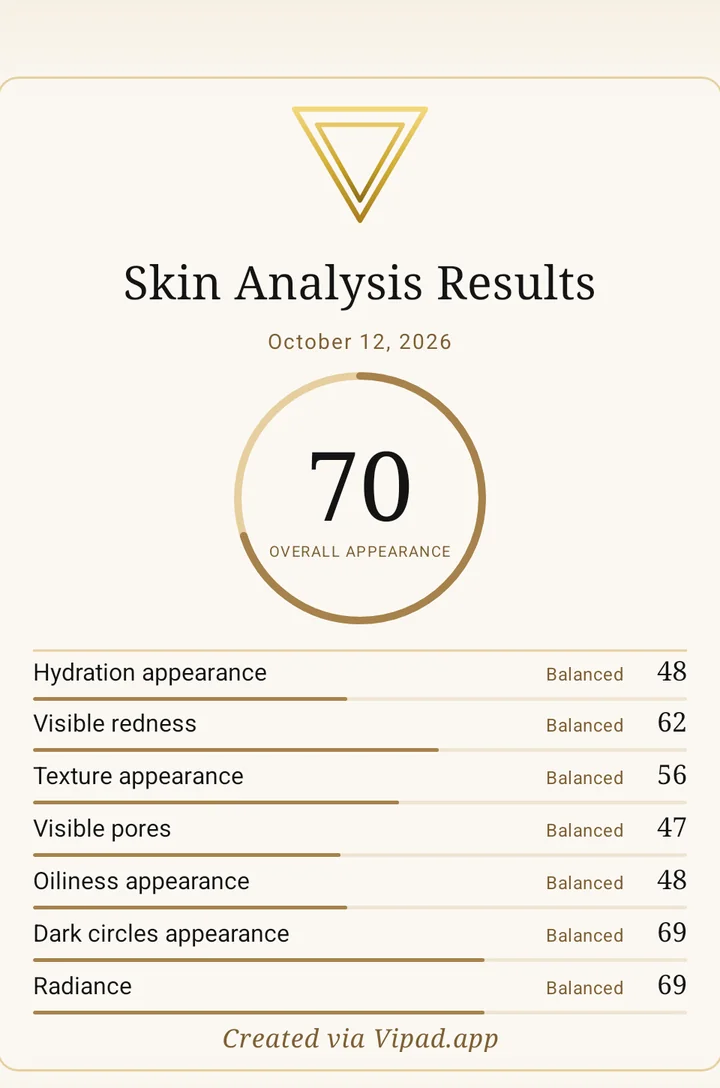
In the app
Dark circles is one of the readings on every Skin Analysis result, with its own score.
If puffiness is part of your story, the optional Signs of aging add-on adds an Under eye puffiness reading, next to fine lines, dark spots and firmness. Take the analysis the same way each time, facing the same window, and Progress compares your results over 1, 3, 6 and 12 months. That makes it easier to see whether more sleep, sunscreen or a new eye cream changed anything.
You can also ask Beauty AI, your personal esthetician in VIPAD, what to try next. It knows your Beauty Profile, your analysis results and the products you already own. VIPAD is a beauty app, not a medical device, and it does not diagnose or detect any condition.
Do eye creams get rid of dark circles?
Not completely. They can soften puffiness for a few hours and may slowly even out a brownish tone, but genetic circles and hollows stay. Think of eye cream as care, and concealer as the quick fix.
Can dark circles go away on their own?
If they come from a short stretch of bad sleep, a cold or allergies, yes, they often fade once that passes. If you have had them for as long as you can remember, they are likely part of how your face is built.
Does drinking more water help?
Staying hydrated helps your skin overall, and cutting back on salty food can reduce puffiness. It will not change the color of genetic dark circles under eyes, though.
Follow your under eye area
The Dark circles reading and Progress in VIPAD show how it changes over months.