Face and Feature Analysis: get to know your face shape and features
What Face and Feature Analysis in VIPAD describes, from face shape to eyes, brows and lips, how to read it kindly, and how it guides your hair and makeup.
4 min read


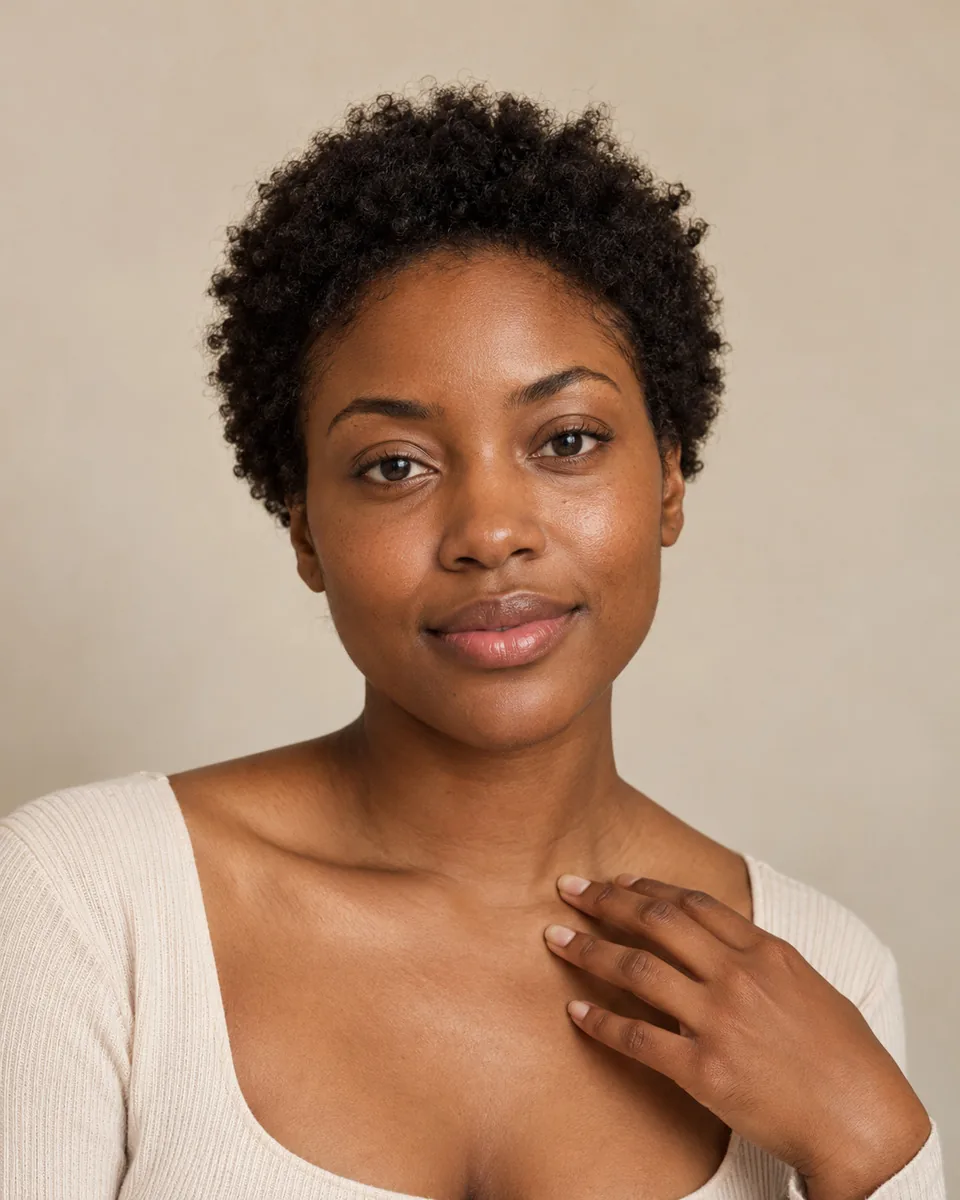
Which haircut suits my face shape? Where should my eyeliner go? Most beauty advice assumes you already know your face shape and your eye shape, and most people guess. A clear description of your own features turns general tips into advice you can actually use.
What the analysis describes
Face and Feature Analysis reads one clear photo of your face and describes your face shape, eye shape, brow shape, lip shape and overall visual balance in one analysis. It then turns that description into practical hair guidance and practical makeup guidance.
The result explains what was seen, what is uncertain and what you can do. A note on the limits of your photo tells you which parts to trust most.
Understand your features
Face and Feature Analysis, Hair Style Advisor and Makeup Planner are all in VIPAD.
Reading your result kindly
This is the most important part. In VIPAD, your features are described, never rated or ranked. There is no attractiveness score and no list of flaws, because natural features are not defects. A round face, hooded eyes or thin lips are simply shapes, each with its own strengths.
- Treat the guidance as options, not corrections. You decide what you want to bring forward.
- Many faces sit between two shapes. A result that mentions some uncertainty is being honest, not failing.
- If you love a feature that the guidance suggests softening, keep it. Your taste comes first.
- The result is cosmetic guidance only, never a medical assessment.
Common face shapes in plain words
- Oval: a little longer than it is wide, with a softly rounded jaw. Most cuts and lengths work.
- Round: width and length are close, with full cheeks and a soft jawline. Height at the crown and longer layers add length.
- Square: a strong, straight jaw and a forehead of similar width. Soft waves and side parts add movement.
- Heart: a wider forehead and a narrower chin. Volume around the jaw and side swept bangs create balance.
- Oblong: clearly longer than it is wide. Bangs and width at the sides shorten the line.
- Diamond: the cheekbones are the widest point. Styles that add fullness at the forehead and chin work well.
Eye shapes follow the same idea. Almond, round, hooded, monolid, upturned and downturned eyes each suit slightly different liner and shadow placement, and none of them needs fixing.
A photo that gives a clear reading
- Face the camera straight on, with the phone at eye level.
- Keep a relaxed, neutral expression. A big smile changes the shape of your cheeks and eyes.
- Pull your hair away from your forehead and jawline.
- Take off glasses and use even light, ideally from a window in front of you.
- Make sure only your face is in the photo, with nobody else in the frame.

Straight and even
A straight angle and even light show your real proportions, while a tilted phone changes how long or wide your face looks.
From description to decisions
Knowing your shapes is the start. After the result, VIPAD suggests three natural next steps: Hair Style Advisor, Makeup Planner and Personal Color Analysis. Each one reads your face from its own photo and asks its own short questions.
Hair Style Advisor asks how long your hair is now, how much effort you want to put into styling, whether you are happy to go shorter and, if you like, your hair texture. It answers with recommended cuts and lengths, bangs, styling suggestions, hair color families, care guidance and the choices to approach carefully.
Makeup Planner asks which look you want, from natural and daily to evening, special occasion or photo shoot, how much time you have, how bold you like your colors, any colors you avoid and the occasion. It can use the products you own and gives you a plan step by step, from preparation and base to brows, eyes, cheeks, lips and finishing, with a shorter version for busy days.
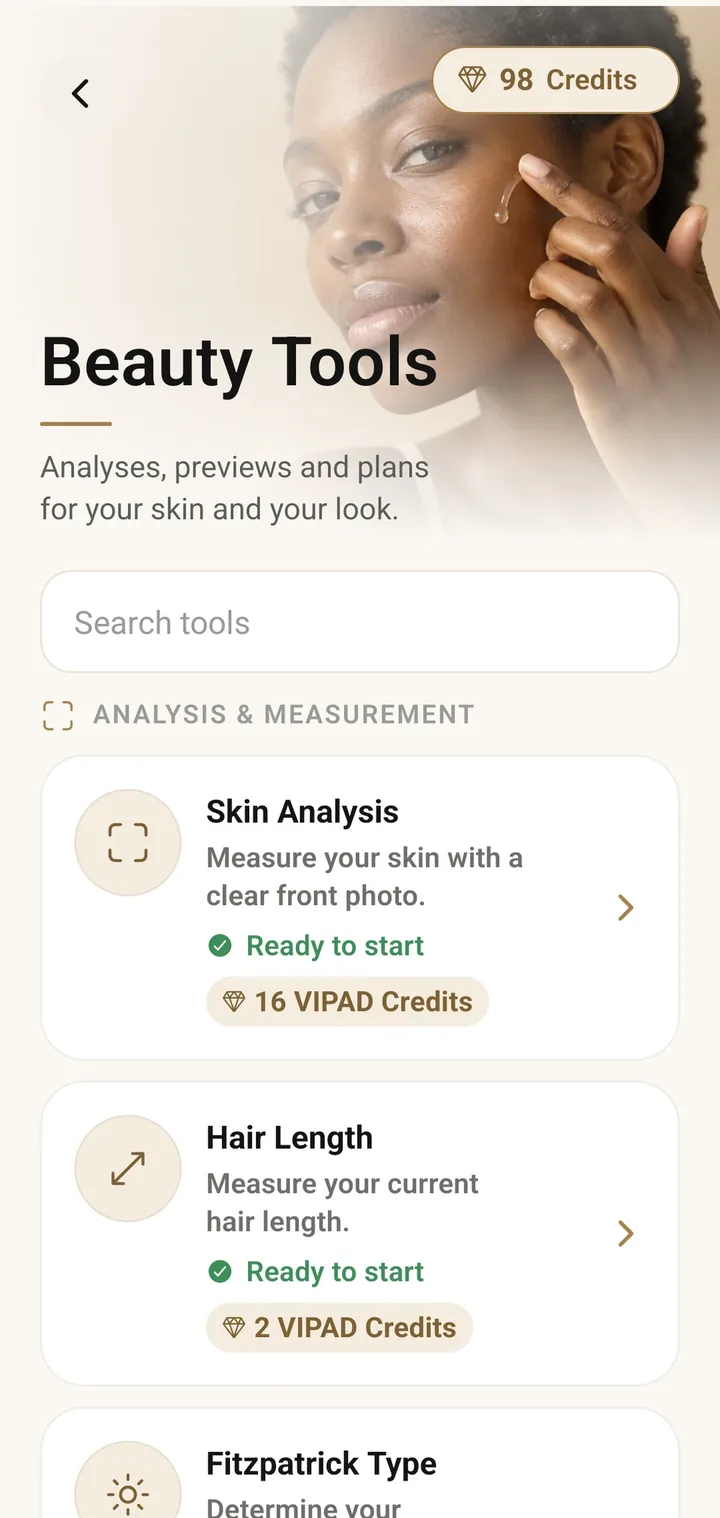
Beauty Tools
The Beauty Tools list, home of Face and Feature Analysis and the planners that follow it.
Putting your shapes to work
- Hooded eyes: keep liner thin and close to the lashes, and place a little shadow just above the crease so it stays visible with your eyes open.
- Downturned eyes: a small lift at the outer corner of the liner opens the eye.
- Straight brows: follow your natural line rather than forcing a high arch.
- Thin lips: a satin or gloss finish reflects light and gives softness without overlining.
- Strong jaw: soft layers around the chin frame it beautifully, if you want to soften it at all.
Keeping what fits you
After the analysis, VIPAD asks whether to add your face shape, eye shape, brow shape and lip shape to your Beauty Profile. You add what fits you and leave out what does not. What you add helps Beauty AI give answers that suit your face when you ask about a haircut, a brow shape or a new eyeliner.
Your result is saved privately in your Beauty History, and you can delete it at any time. If you delete it, anything added from it to your profile is no longer used.
Understand your features
Face and Feature Analysis, Hair Style Advisor and Makeup Planner are all in VIPAD.