Track your skin over time: why a trend tells you more than one reading
How Progress in VIPAD compares Skin Analysis over 1, 3, 6 and 12 months, follows a product with a check in, and how to keep your photos consistent over time.
4 min read


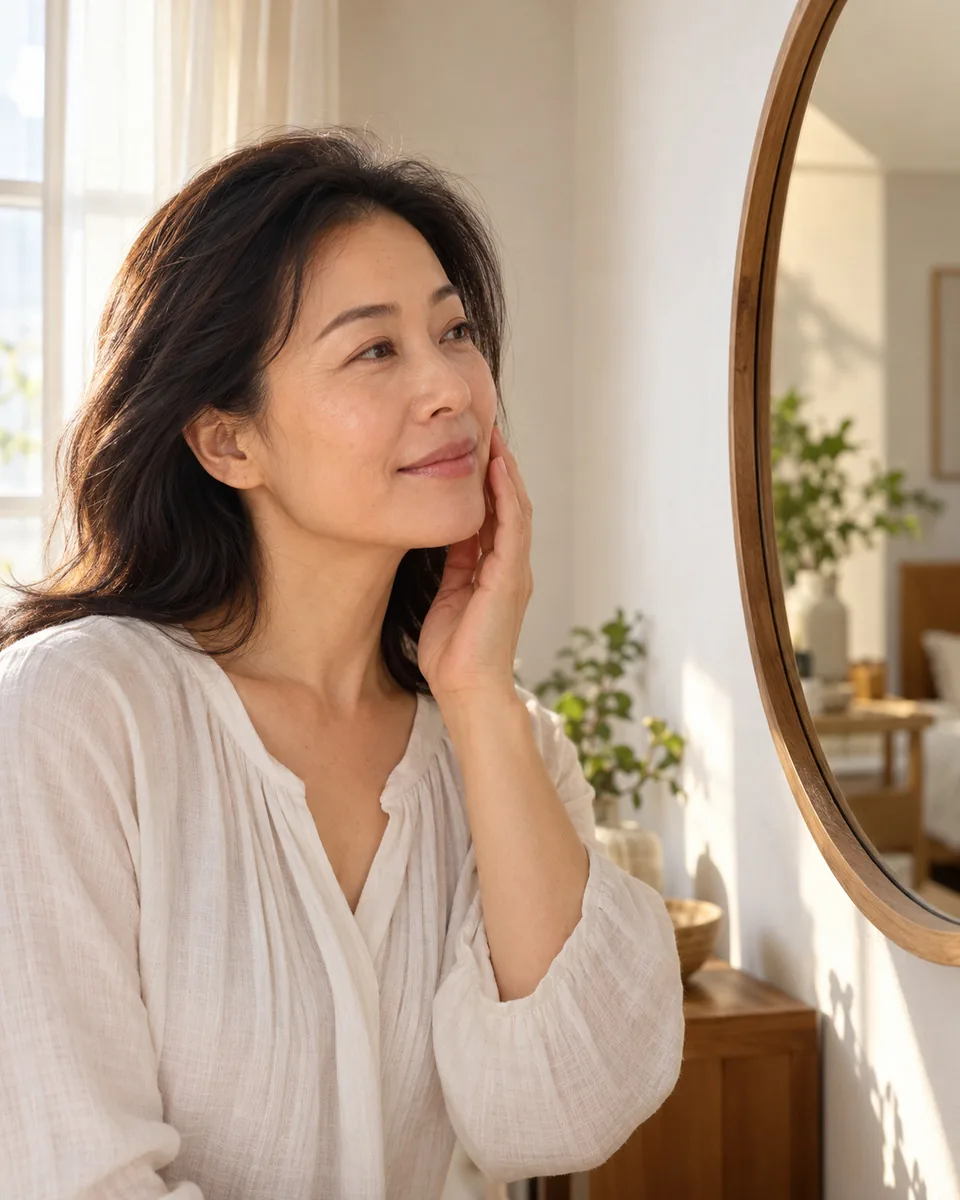
Skin changes slowly, and it also changes from day to day for reasons that have nothing to do with your routine. A late night, a dry office, a change of season or the light in your bathroom can make your skin look different on Tuesday than it did on Sunday.
That is why a single reading, from any tool or any mirror, means less than it seems. Progress in VIPAD is built for the slower story. It gathers the results and reports you record over time and shows what changed, while staying careful about what it can and cannot say.
One reading, two readings, a trend
- One result is a starting point. It tells you where you are today.
- Two results show a change, not a trend. The difference may be real, or it may be the light.
- Several comparable results over weeks and months start to show a direction worth taking seriously.
Progress uses the same logic in its own words. When it describes a series, it notes that the change is based on your own comparable results and that VIPAD cannot confirm what caused it.
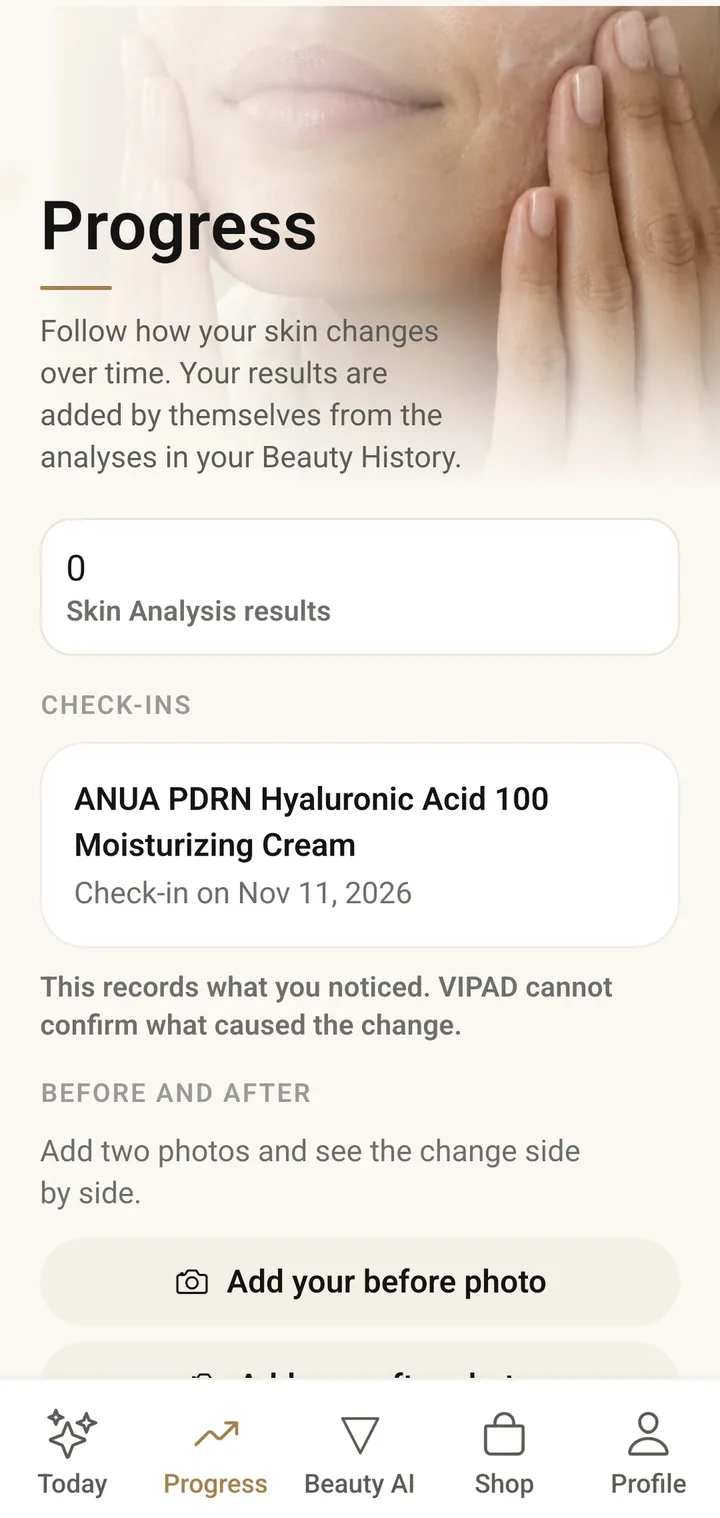
In the app
Progress brings together your Skin Analysis results, your check ins and your before and after photos.
See your skin over months
Skin Analysis, Progress and check ins work together in VIPAD.
Comparing Skin Analysis over months
Each Skin Analysis gives seven readings, each scored from 0 to 100: moisture, visible redness, texture, pores, oiliness, dark circles and radiance. Every result is saved privately in Beauty History, and Progress compares them over 1, 3, 6 or 12 months.
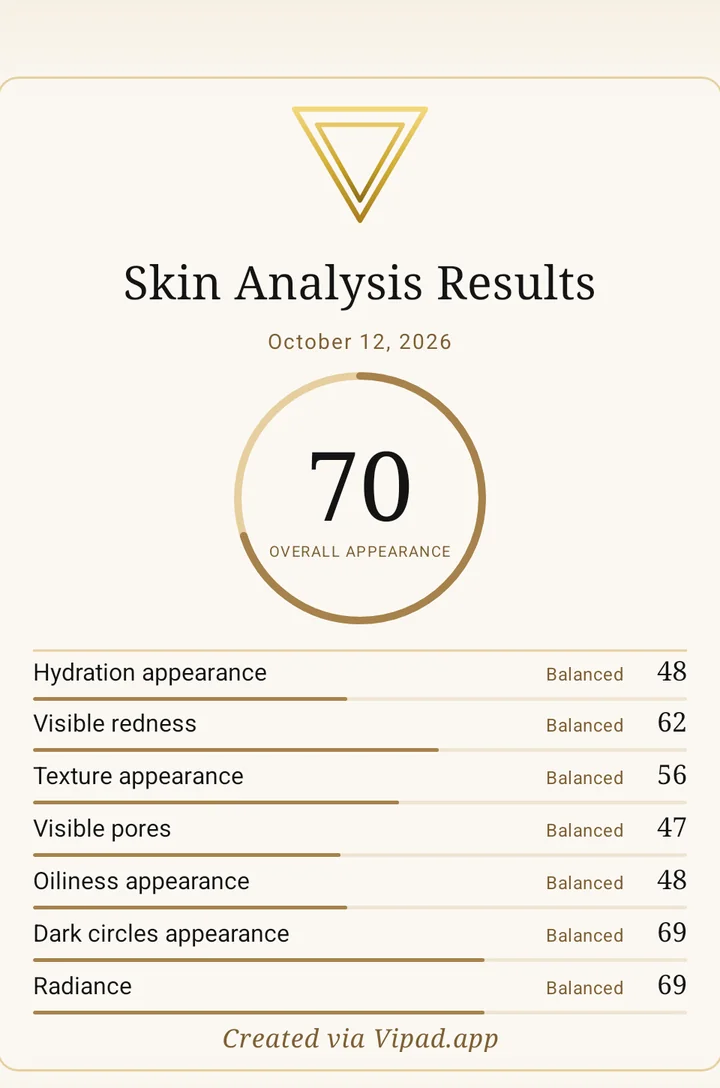
One result
Each of the seven readings on a result card becomes a line you can follow over time.
Pick the period that fits your question. One month suits a new routine. Three or six months shows the effect of a season or a steady habit. A full year lets you see your skin through winter and summer.
For each reading, VIPAD tells you whether it improved, stayed about the same, or moved in the less favorable direction between the first and the last date. If two analyses were made with different versions of the tool, they are not compared, so a change in method is never shown as a change in your skin.
Follow a product for 14, 30 or 60 days
Readings show what changed. They cannot tell you whether that new serum was the reason. For that, you can follow a product you own, a routine, a treatment or a goal, and choose to check in after 14, 30 or 60 days.
On that date, VIPAD asks how it has been. You answer in a few taps:
- It improved, about the same, it got worse, or I am not sure.
- Whether you would keep using it, and how satisfied you are.
- An optional note, and an optional before or after photo.
Not ready yet? You can postpone the check in by a few days, or skip it and nothing is recorded. Your answers are your own record of what you noticed, and they help VIPAD and Beauty AI learn what works for you.
Which period to choose
- 14 days: enough to know how a cleanser or moisturizer feels, and whether it bothers your skin.
- 30 days: a fair first look for most serums, since the surface of the skin renews itself over several weeks.
- 60 days: for slower goals such as texture, an uneven tone or radiance.
Before and after photos
Numbers help, but sometimes you simply want to see. In Progress you can add a before photo and an after photo and view them side by side. These photos stay private and are never edited. Two photos side by side show a difference, but they do not prove what caused it, and VIPAD says so on the screen.
Keep conditions consistent
A trend is only as good as the photos behind it. Most of the variation in skin tracking comes from changing conditions, not from the skin itself.
- Same place, same light: face the same window, ideally at the same time of day.
- Same skin: clean, without makeup, a few minutes after cleansing.
- Same distance and angle: phone at eye level, whole face in the frame, hair pulled back.
- Calm moments: avoid comparing a photo taken after a workout or a hot shower with one from a quiet morning.
- A steady rhythm: one analysis every few weeks is plenty to build a trend.
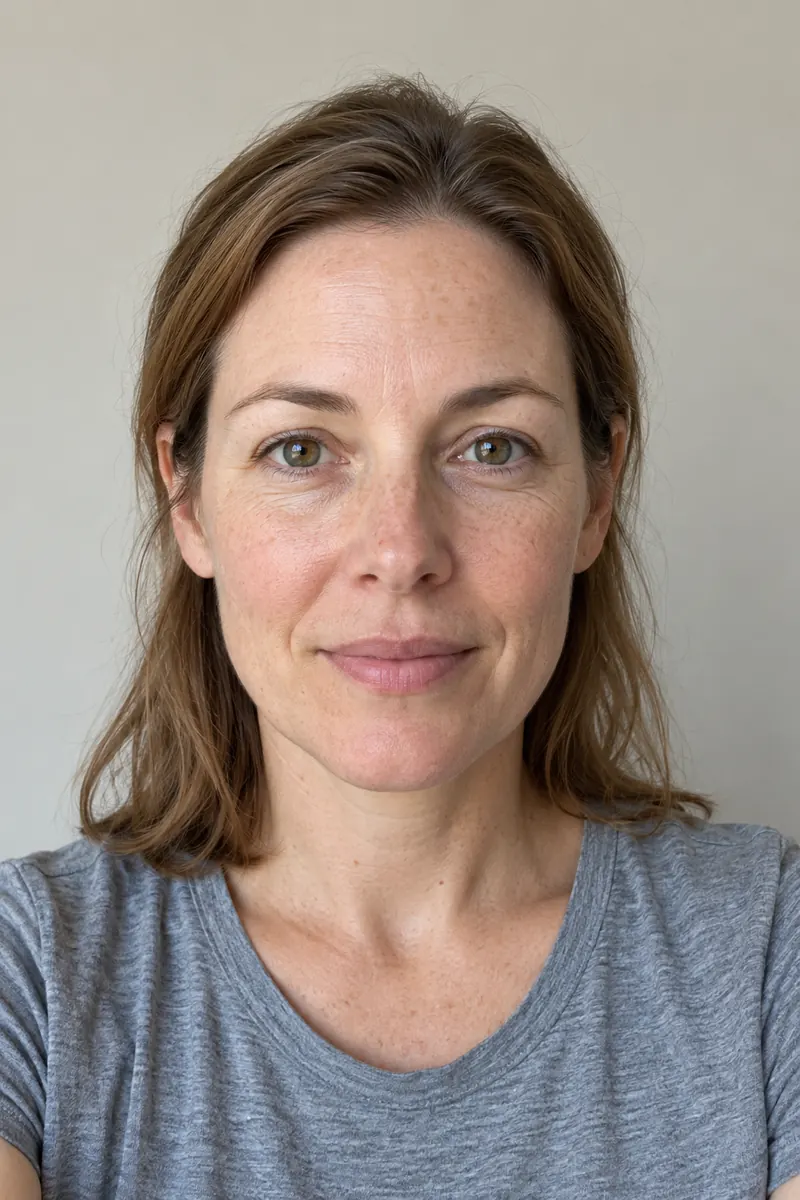
Tip
The same window, the same angle and a clean face make results from different months comparable.
Our guide to what one selfie can tell you about your skin covers the photo setup in more detail.
Read the trend calmly
A reading that moves a few points between two dates is usually ordinary variation. Look for a direction that holds over several results, and read it next to your check ins. Rising moisture readings over three months, together with a check in that says your new cream helped, is a much stronger signal than either one alone.
Progress describes how your skin looks, not your health. Beauty AI can explain what a reading means, but if something worries you, such as redness that does not settle, a dermatologist is the right person to ask.
See your skin over months
Skin Analysis, Progress and check ins work together in VIPAD.